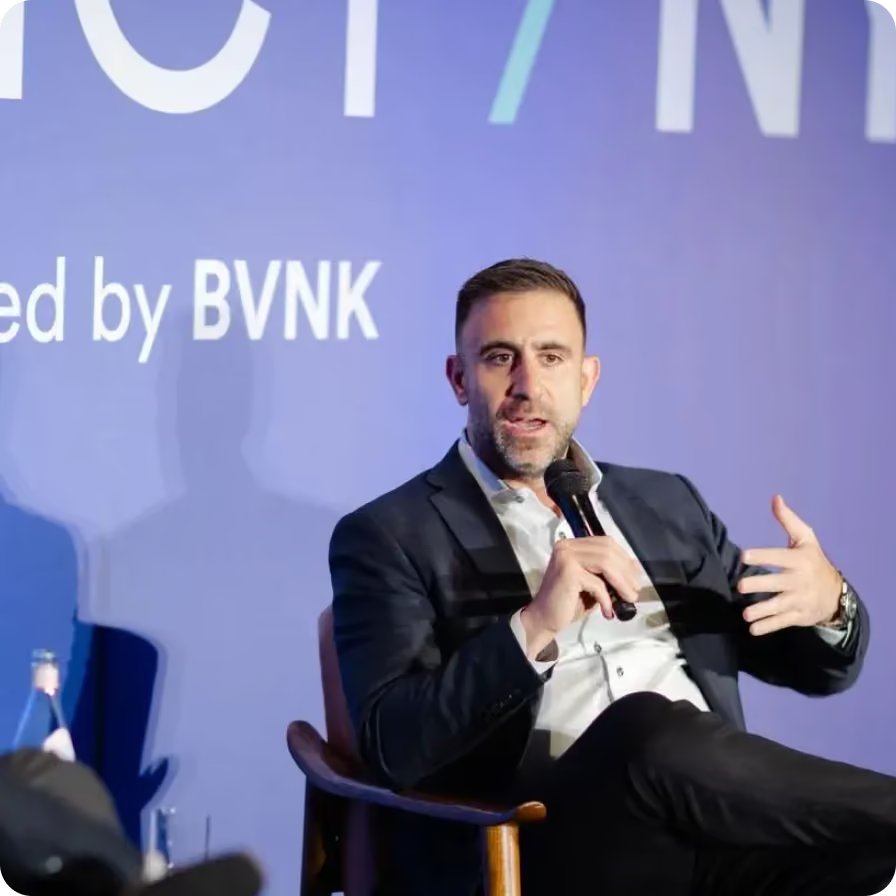
Building a financial network for global money: A conversation with Plasma CSO, Zaheer Ebtikar
.png)
Managing global payments requires predictable fees, fast finality and broad asset choice, without the overhead of maintaining dozens of separate blockchain integrations. At BVNK, our vision is to deliver one trusted network for every form of money, abstracting complexity so businesses can access the payment rails that best fit their needs.
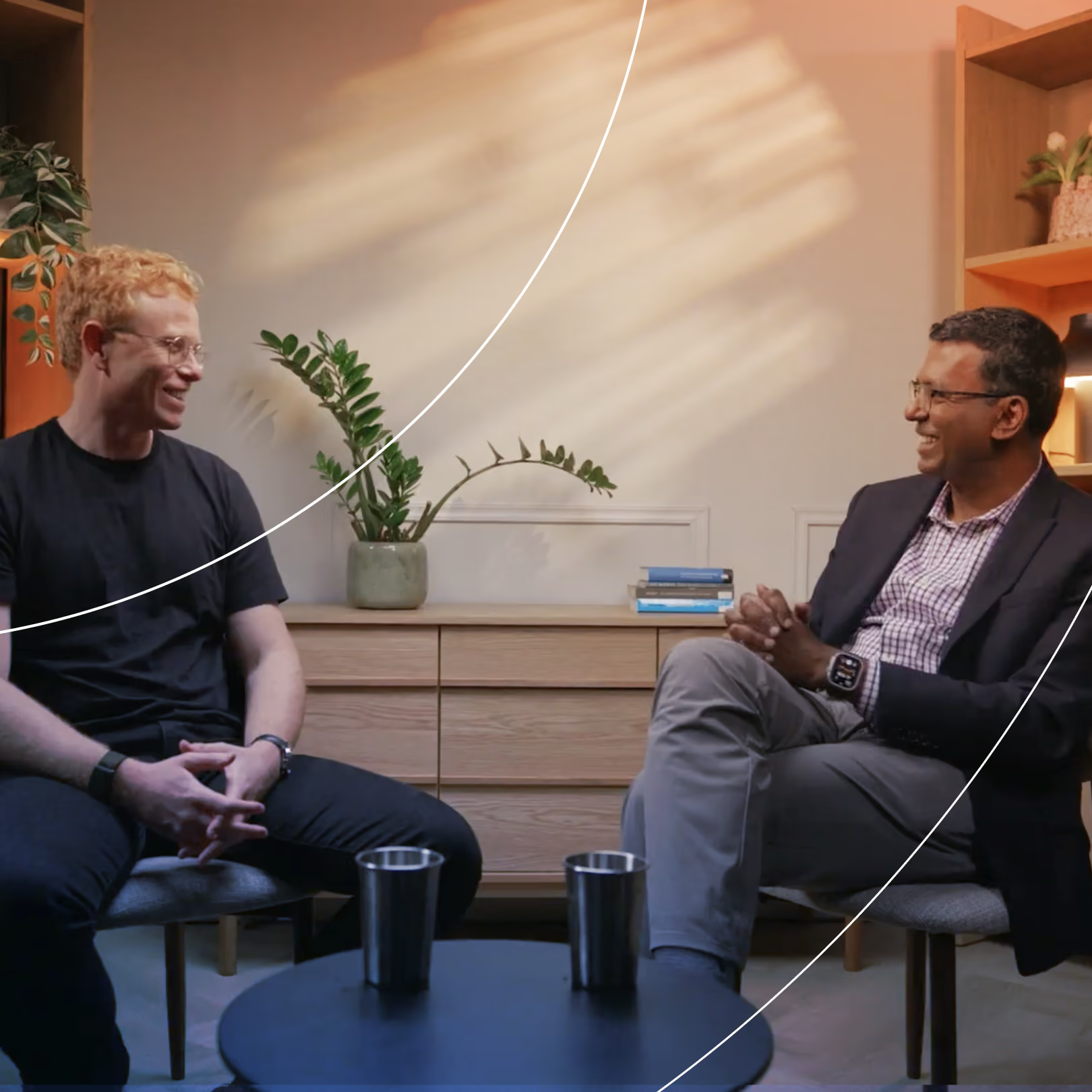
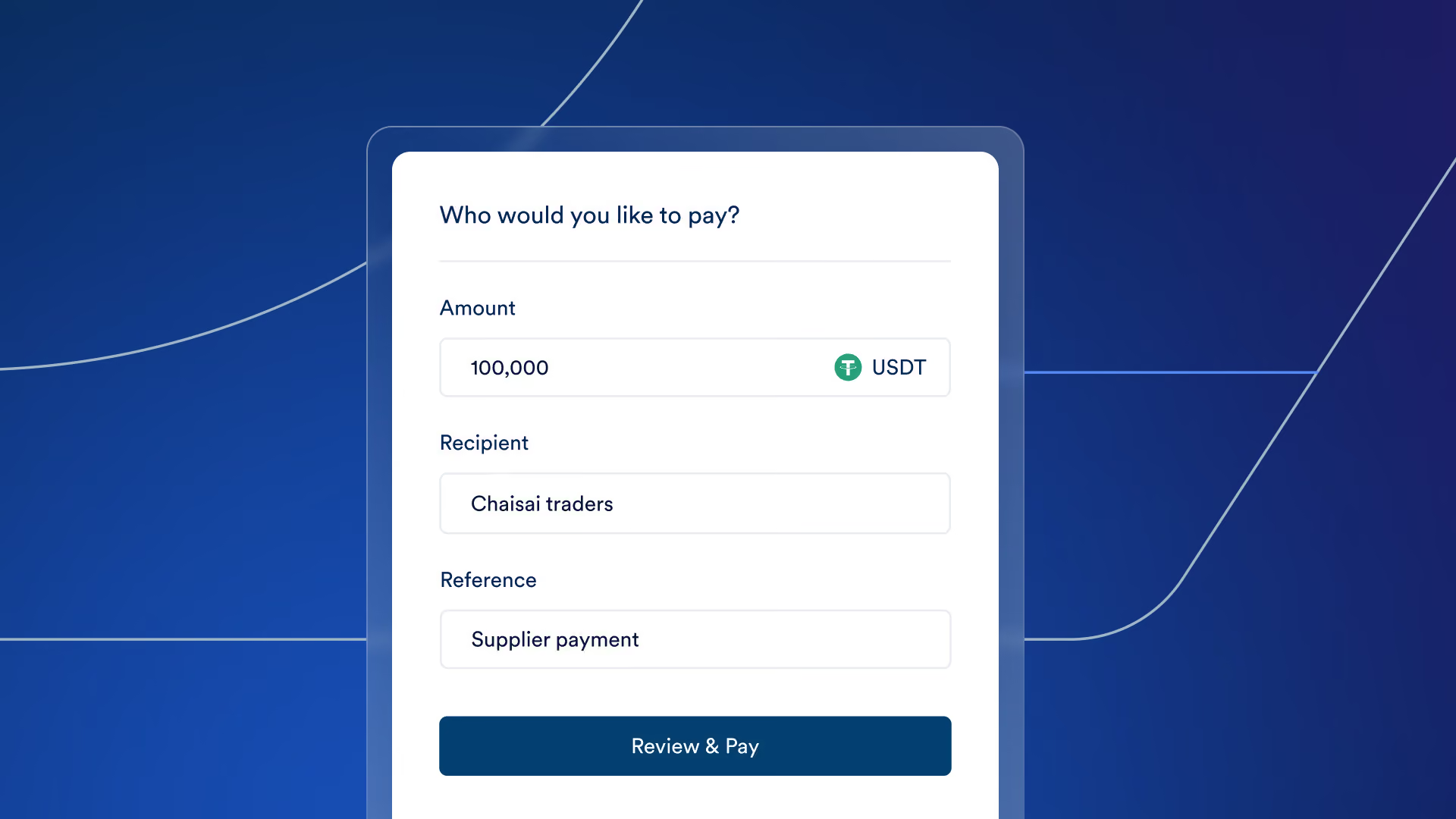
That’s why we continue expanding our platform, adding native support for payment-first infrastructure like Plasma. Plasma is designed for high-frequency USDT* transfers. We sat down with their Chief Strategy Officer to discuss global dollar movement, solving the "gas token" headache, and their work supporting global payroll with platforms like Deel.
What kind of person and business are BVNK and Plasma building for? And what's broken about how they move money today?
People whose lives do not fit in one country. They earn in one place, live in another, and often have a company in a third. Today they run that life through five or six providers and do the joining up themselves. They move money, convert it, keep spare balances in case a transfer is slow, and chase support when a payment fails. Each provider does its part fine. Nobody owns the whole thing. I know because I am that customer, and so are many of us on the team. We are building the infrastructure we wanted and could not find.
Sending a stablecoin used to require buying and holding a separate native token just to pay "gas"– the transfer fees. How does Plasma remove that friction for users?
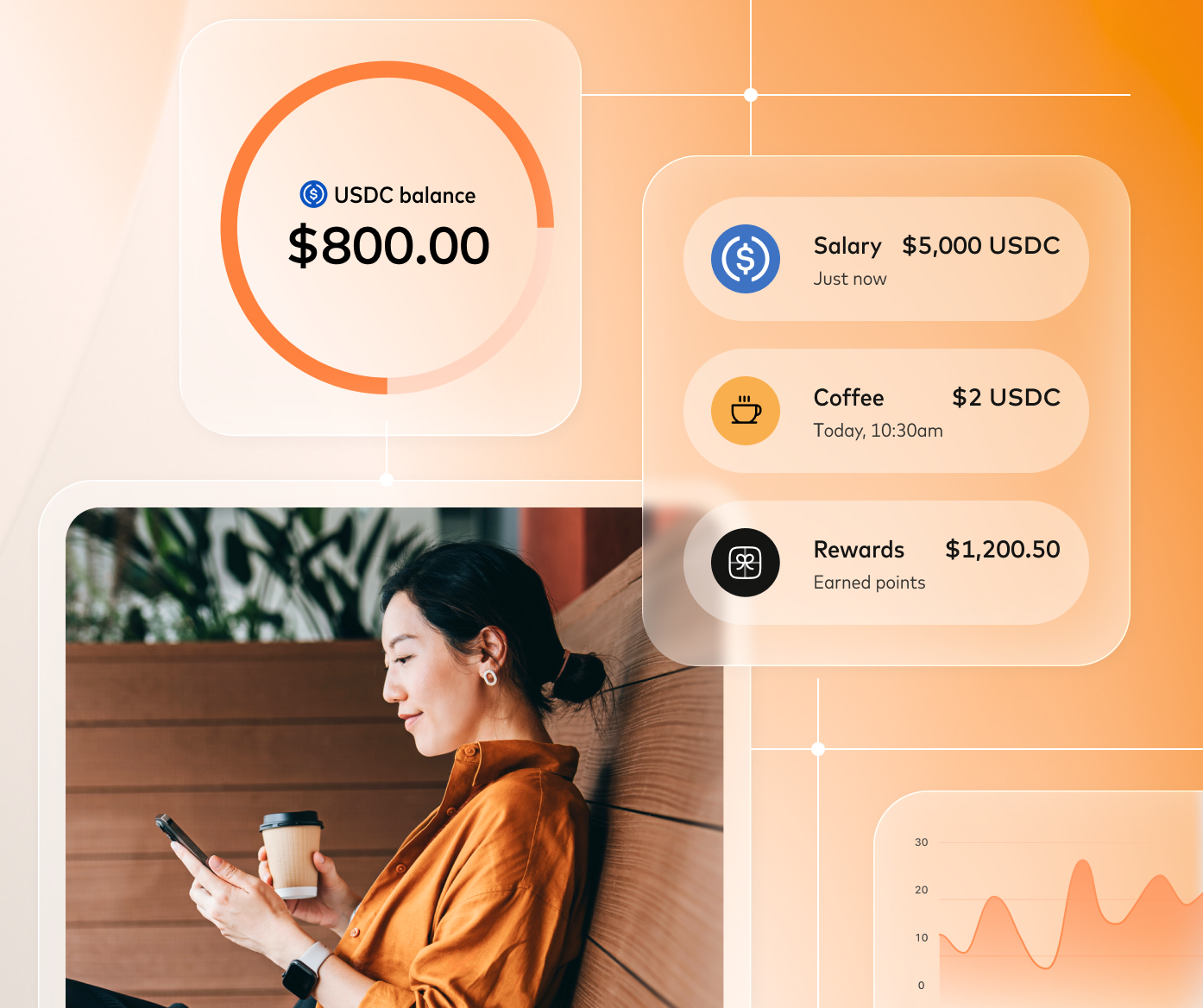
You choose to be paid in stablecoins and give a Plasma address. On payday the money is there in seconds, and the transfer carries no network fee. There is no waiting on a wire. With Plasma One, you can spend it on your card the same day, anywhere cards are accepted. That is the part I care about. Getting paid is only useful if the money lands somewhere you can use it.
Many people paid this way also run their own companies. What changes for a founder or agency owner paying themselves and a team across borders?
A lot of our customers run a company, often more than one. Revenue lands in one account, costs leave another, and they pay themselves across a border. Paying a team in four countries usually means four sets of fees, cut-off times and delays. When the payout is a stablecoin, a contractor in Dubai and one in Singapore are paid the same way at the same moment. We are building for the business side too, because it's the same person.
Most businesses don’t want to manage separate blockchain integrations. How does access through BVNK make it easier to use Plasma for global payments?
BVNK already sits in the payment flow for companies that pay people around the world. Plasma is now one of the rails behind the API those companies already use, so they can pay someone on Plasma without building anything new. Credit to the BVNK team for the work that went into it.
At Split Capital, you approached crypto as an investor. What did that experience teach you about demand for digital dollars, and what conviction brought you to Plasma?
Running a fund, my job was to find where the real demand was. Stablecoins kept being the answer. They were the one product in crypto that people outside crypto used every day without caring how it worked. Plasma is being built to fix that problem.
What does the future hold for Plasma and your customers over the next few years?
The test is simple. Do the people we built this for use it more, stay, and bring the people around them? If in a few years someone is paid into Plasma, spends from it and holds their money in it, and never once thinks about what it runs on, we did our job.
*USDT on BVNK is supported for customers outside the EU/EEA.
.jpg)
.avif)


.avif)




.avif)

.avif)



.avif)
.avif)



.avif)





.avif)

.avif)


.avif)


.avif)


.avif)


.avif)


.avif)
.avif)


.avif)

.avif)


.avif)

Never miss an insight.